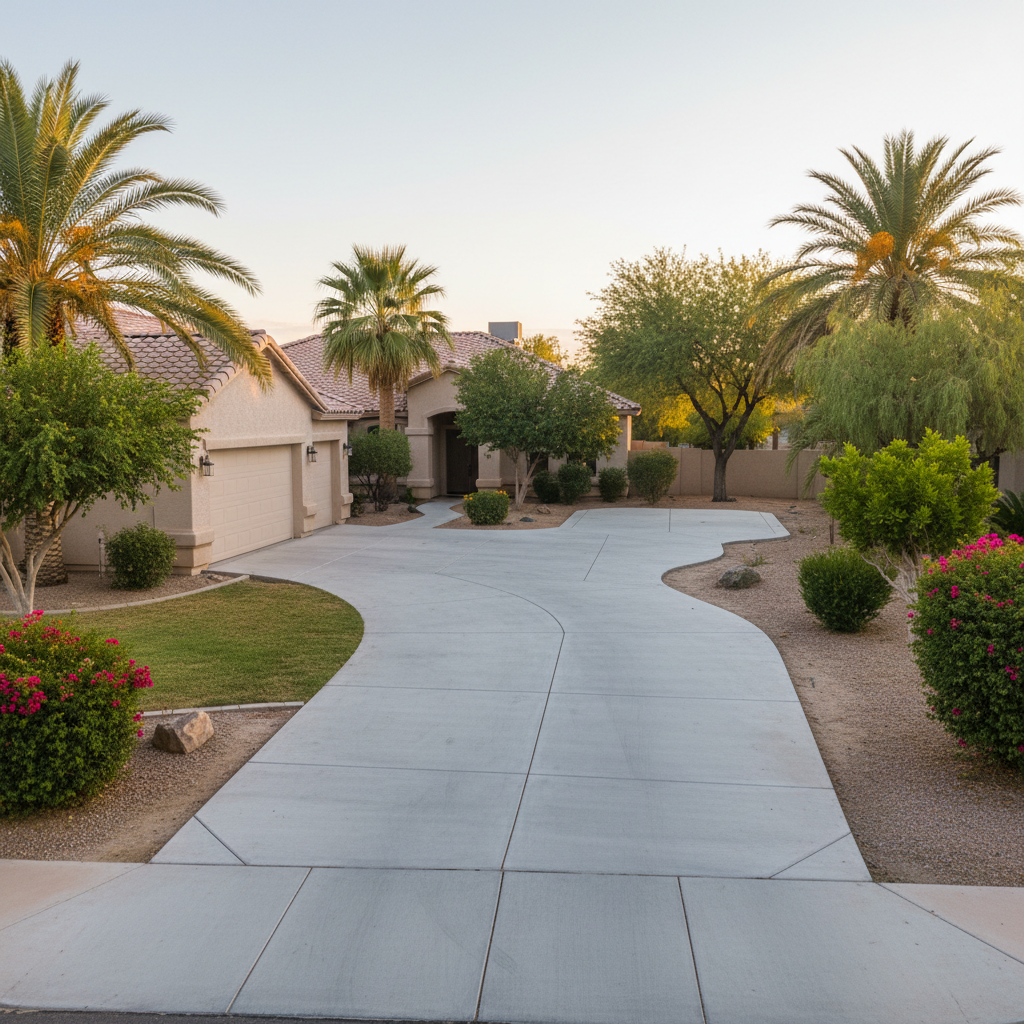
So, you're thinking about putting in some new concrete flatwork at your place. Maybe it's a fresh driveway, a bigger patio, or a new walkway around the side of the house. That's a great investment, and if it's done right, it'll last you for decades. But before any concrete even gets mixed, there's some planning you need to do. I've seen a lot of projects over the years, and I can tell you, good planning makes all the difference.
Setting Your Project Timeline
Let's talk about timing. This isn't something you want to rush. From your initial idea to the finished product, you're looking at a few weeks, maybe even a couple of months, depending on the scope and how busy contractors are. Here's a rough breakdown:
- Research & Quotes (2-4 weeks): Don't just call the first guy you see. Get at least three quotes. Talk to different contractors, check their references, and look at their past work. This is where you figure out who you trust, right?
- Permits (2-6 weeks): For bigger projects, especially driveways or anything that changes drainage, you might need a permit from the city of Phoenix. Your contractor should handle this, but it's good to know it's part of the timeline. Don't skip this; it can cause big headaches later.
- Scheduling (1-4 weeks): Once you've picked your contractor and the permits are in hand, you'll need to get on their schedule. Good contractors are often booked out a bit, especially during our cooler months here in Laveen when everyone wants outdoor work done.
- Construction (3 days - 2 weeks): The actual pouring and finishing usually happens pretty fast. A small patio might be a few days, while a larger driveway with complex forms could take a week or two. This includes prep, pouring, and initial curing.
- Curing (7-28 days): This is the part where you need patience. Concrete needs time to reach its full strength. You can usually walk on it after 24-48 hours, but you'll want to keep heavy vehicles off it for at least a week, and ideally a month, for full strength. Your contractor will give you specific instructions.
What to Expect During the Process
Once you've signed on with Kingdom Concrete Laveen (or another reputable company), here's what the actual work usually looks like:
- Site Preparation: This is crucial. We'll clear the area, remove any old concrete or landscaping, and then grade the ground. Proper grading ensures good drainage and a stable base. We'll also compact the soil so your new concrete doesn't settle unevenly.
- Formwork: We'll build forms out of wood or metal to create the exact shape and size of your new concrete slab. Precision really matters here.
- Reinforcement: Depending on the project, we'll lay down rebar or wire mesh. This adds strength and helps prevent cracking, especially important with our expansive clay soils here in Laveen that can shift with moisture changes.
- Pouring & Finishing: The concrete truck arrives, and we pour the mix into the forms. Then comes the magic: screeding, floating, and troweling to get that smooth, level, and durable finish. If you're doing stamped or colored concrete, that happens during this stage too.
- Curing: After the initial finish, the concrete needs to cure. We might cover it with plastic, spray it with a curing compound, or keep it damp. This slows down the drying process, making the concrete stronger and less prone to cracking.
- Expansion Joints: These are cuts we make in the concrete to control where cracks will form. Concrete expands and contracts with temperature changes, and these joints give it room to move without cracking randomly.
How to Prepare Your Home and Property
You've got a role to play too! Here’s what you can do to make things go smoothly:
- Clear the Area: Move any outdoor furniture, potted plants, grills, or anything else that's in the way of the work zone.
- Access: Make sure there's clear access for trucks, equipment, and our crew. If we need to get a concrete truck close to the pour site, know your property lines and any potential obstacles.
- Utilities: Mark any underground sprinkler lines, low-voltage lighting wires, or other utilities that aren't deeply buried. While we'll call 811 for utility locates, it never hurts to be extra cautious about your private lines.
- Pets & Kids: Keep them away from the work area. Construction sites aren't playgrounds, and wet concrete isn't something you want little paws or hands in.
- Communication: Be available for questions. We might need to confirm a detail or ask about something unexpected.
Questions to Ask Before Signing a Contract
This is your money, so ask away! Don't be shy. A good contractor will welcome your questions. Here are some must-asks: