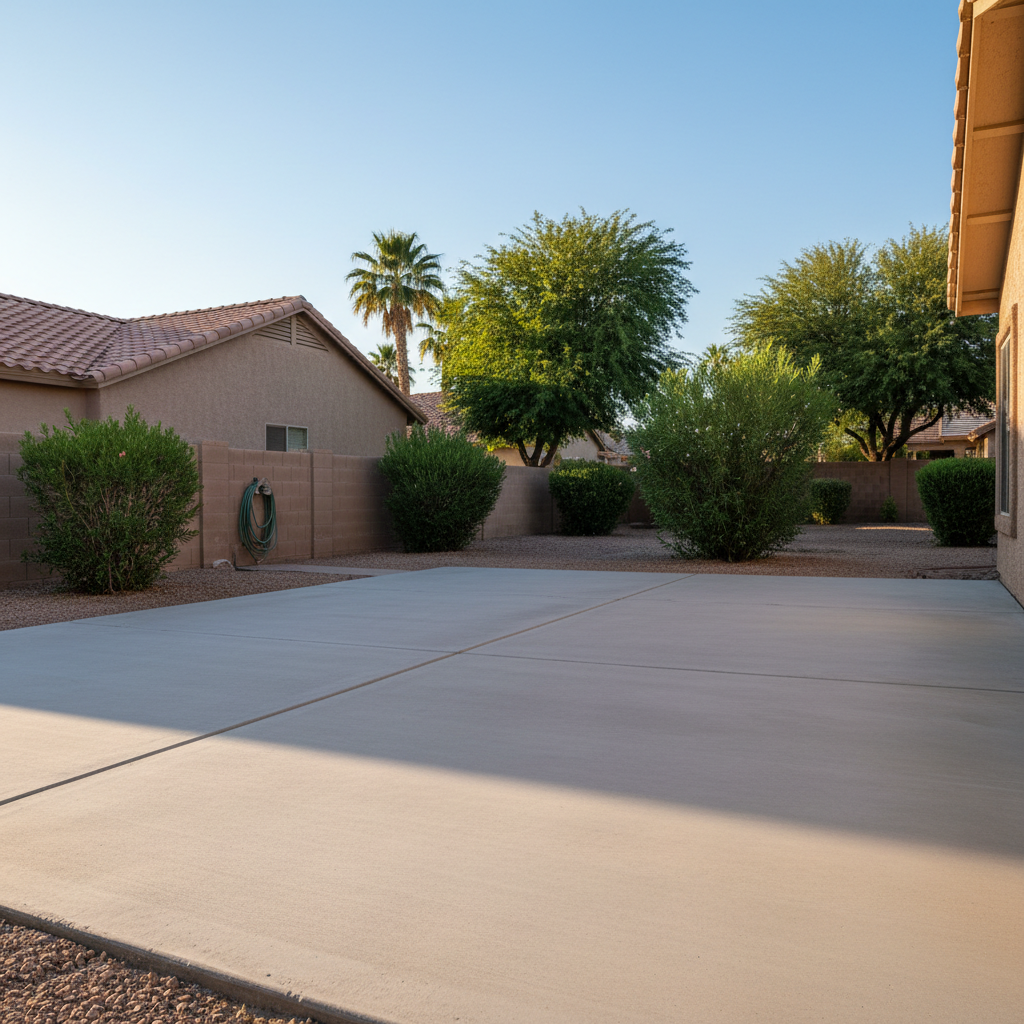
So, you've put money into a concrete repair – maybe it was your driveway, patio, or a crack in the foundation. Good move, that. But getting the actual fix done? That's really only half the battle. If you want that repair to actually stick around, especially here in Laveen where the sun just bakes everything and the ground can shift, you'll need to put in a little effort. Trust me, I've seen plenty of good repairs go south because people just didn't know how to look after them. Let's make sure that doesn't happen to your concrete, okay?
Make Your Concrete Repair Last Longer
The best thing you can do to get more life out of any concrete repair is proper curing and then sealing it. When we finish a repair, we're working hard to make it strong. But, the concrete itself needs time to get to its full strength. That means keeping it damp for a few days, sometimes even a whole week, after the repair. We're not just talking about dumping water on it; it's about controlled hydration. If it dries out too fast, it'll end up weaker and more likely to crack again.
Once it's cured right, sealing becomes your next best friend. Here in Arizona, we deal with crazy temperatures and really intense UV rays. A good, penetrating sealer works like sunscreen for your concrete. It helps stop water from soaking in – super important for preventing freeze-thaw damage (even if we don't get much freezing, it still helps with general moisture). Plus, it protects against stains and the sun and wind eroding the surface. I always suggest a high-quality acrylic or silane/siloxane sealer. Just reapply it every 2-5 years, depending on how much traffic it gets and how much sun hits it. It's a small cost, honestly, for a huge benefit.
Regular Upkeep for Fixed Concrete
Keeping up with concrete repairs isn't brain surgery, but you do need to be consistent. Think of it like changing the oil in your car.
- Keep it Clean: Sweep off dirt, dust, and any debris regularly. Here in Laveen, we get a lot of dust, and sometimes even mud from the monsoons. Don't let it just sit there and grind into the surface. A simple broom or leaf blower does wonders.
- Wash it Down: Every so often, give your concrete a good wash with a hose and some mild soap. Try to avoid harsh chemicals or power washers set too high, especially on newer repairs. Those can damage the surface or mess with the sealer.
- Clean Up Spills Fast: Oil, grease, paint, or anything acidic needs to be cleaned up right away. The longer it sits, the deeper it soaks in, and the harder it is to get off without hurting the concrete or its sealer.
- Manage Drainage: Make sure water flows away from your concrete surfaces, especially near foundations. Standing water is a real concrete killer; it can lead to erosion, staining, and even undermine the ground underneath. Check your gutters and landscaping to make sure water runs off properly.
- Watch for Weeds: Weeds pushing up through cracks can widen them over time. Pull them out quickly, or use a weed killer.
Signs of New or Worsening Issues
You've got to pay attention. Your concrete will definitely tell you when something's not right. Here are the red flags I tell my clients to look for:
- New Cracks or Wider Existing Ones: This is usually the most obvious sign. If you start seeing new hairline cracks, or if a crack you had repaired begins to get wider or longer, that's a problem. It could mean the ground is still moving, you have bad drainage, or the repair just didn't hold.
- Spalling or Flaking: This happens when small bits of concrete break off the surface. It might be from freeze-thaw cycles (rare here, but possible with moisture), poor quality concrete, or too much water exposure.
- Uneven Surfaces or Sinking: If a part of your concrete repair starts to sink or isn't level anymore, that usually points to a problem with the ground underneath. This is pretty common in places with expansive clay soils, like some areas of Laveen, where the soil can swell and shrink with moisture changes.
- Discoloration or Staining: Beyond just regular dirt, dark spots or streaks could mean water is pooling or seeping into the concrete. And that white powdery stuff, efflorescence? That tells you moisture is moving through the concrete and leaving salts on the surface.
- Hollow Sounds: If you tap on your concrete with a hammer and hear a hollow sound in certain spots, the concrete might have separated from the layer below it.
When It's Time to Call a Pro
Look, I'm all for homeowners tackling smaller jobs, but some things are just better left to the experts. You should call Kingdom Concrete Laveen, or another good concrete contractor, if you notice any of these problems:
- Structural Cracks: These are cracks that go all the way through the slab, are wider than a quarter-inch, or show a big vertical difference (one side is higher than the other). These often point to a more serious underlying issue that DIY fixes won't solve.
- Significant Sinking or Unevenness: If a large part of your driveway or patio has sunk several inches, or if you've got tripping hazards everywhere, you need a professional to check it out. This often means mudjacking (slab jacking) or even replacing the whole affected section.
- Foundation Cracks: Any crack in your home's foundation, especially if it runs horizontally, steps up like stairs, or is wider than a hairline, needs immediate professional attention. Don't mess around with your foundation; it's the most important part of your house, after all.
- Repeated Repair Failures: If you've tried patching a crack multiple times and it just keeps coming back, there's a deeper problem that needs a professional diagnosis and solution.
- Water Intrusion: If you're seeing water consistently pooling against your foundation or seeping into your basement or crawl space, that's a major red flag that needs expert drainage solutions.
Taking care of your concrete repairs isn't just about how things look; it's about protecting your property and stopping bigger, more expensive problems from popping up later. A little proactive maintenance really goes a long way in our desert environment.