What's the difference between a slab-on-grade and a raised foundation?
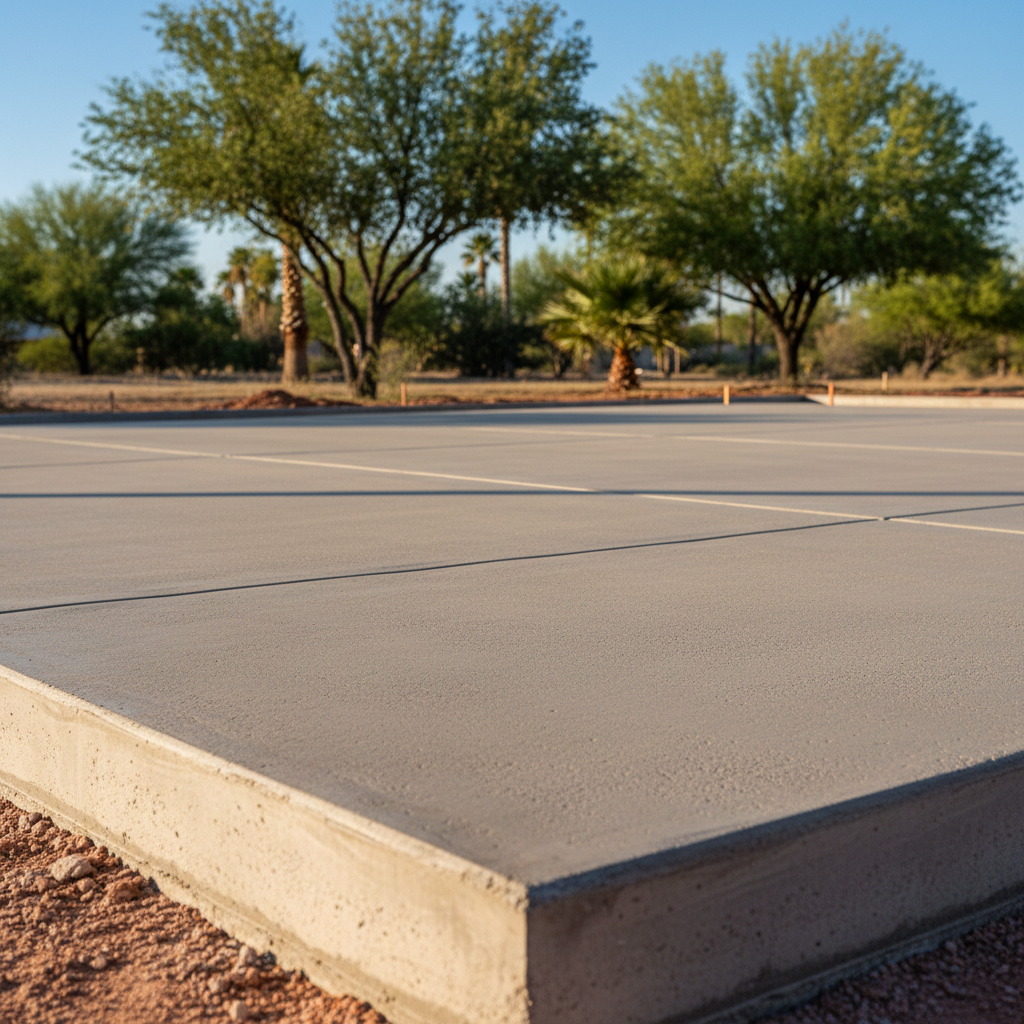
Most homes built here in Laveen Village, especially the newer ones, use a slab-on-grade foundation. This means your concrete floor gets poured right onto the ground, or on a specially prepared base. It's one solid, continuous slab that basically acts as both your foundation and your finished floor. They're super common because they're pretty affordable and work well with our climate, helping keep things cooler in the summer heat.
A raised foundation, on the other hand, means your house sits on a crawl space or even a full basement. You'll typically find these more in older homes or in places with different soil types or higher water tables. They involve perimeter footings and stem walls, with floor joists and subflooring built above. Sure, they make plumbing and electrical repairs easier to get to, but you just don't see them much in new construction around here.
How do I know if a crack in my foundation is serious?
This is probably the question I get asked most often. And look, not every crack means your house is about to fall down, so don't hit the panic button just yet. Hairline cracks, especially those that run horizontally or vertically and are less than 1/8 inch wide, are usually just shrinkage cracks. Concrete shrinks as it dries, you know, and these are totally normal. You'll often spot them in garages or on patios.
What you really need to keep an eye out for are wider cracks (more than 1/4 inch), cracks that seem to be growing, or cracks that show up with other problems. Take a close look for:
- Cracks that are wider at one end than the other.
- Horizontal cracks, especially near the top of the foundation wall.
- Stair-step cracks in brick or block foundations.
- Cracks that go all the way through the foundation itself.
- Doors or windows sticking, or floors that feel uneven.
If you notice any of these, it's definitely time to call a professional to come take a look. Don't put those off.
What causes foundation problems in Laveen?
Here in the desert, our soil is a huge player. We've got expansive clay soils in many parts of Laveen. When these soils get wet, they swell up, and when they dry out, they shrink back down. This constant shifting can really put a lot of pressure on your foundation. Just think about how much rain we get during monsoon season – that's a ton of water soaking into the ground, then drying out super fast in the heat.
Poor drainage around your home is another big culprit. If water isn't directed away from your foundation, it'll just pool up and soak the soil right next to your house, leading to that expansive soil issue I just mentioned. Leaky plumbing under the slab can also cause the soil to get saturated in one spot. Sometimes, it's just bad construction, but usually, it comes down to soil and water.
How important is proper drainage around my foundation?
It's absolutely critical. I truly can't emphasize this enough. Good drainage is your very first defense against foundation problems. You want the ground around your house to slope away from the foundation at least six inches over the first ten feet. This sends rainwater away from your home, stopping it from soaking the soil directly under or next to your foundation.
Make sure your gutters are clean and extend far enough to dump water well away from the foundation. If your landscaping creates low spots or directs water toward your house, you've got to fix that. It's such a simple thing, but it can save you a ton of money and headaches down the road. Seriously, do not overlook this.
Can I prevent foundation issues?
You bet you can, or at least significantly cut down the risk. It all circles back to managing moisture around your home. Keep that soil moisture consistent, you know? Don't let it get bone dry and then suddenly drench it. Watering your landscape regularly, but not too much, can really help. Make sure those downspouts are doing their job, sending water far from the foundation.
Regularly check your foundation for new cracks or any changes in existing ones. Look for plumbing leaks, both inside and outside. If you've got big trees near your house, their roots can also suck moisture from the soil under your foundation, which can lead to settling. Sometimes, a root barrier might even be necessary. Staying proactive is the main thing.
How long do concrete foundations typically last?
A well-built concrete foundation, if it's properly maintained, can easily last the entire lifetime of your home – we're talking 75 to 100 years, maybe even more. Concrete is incredibly tough. The biggest things that affect its lifespan are how well it was poured originally, the soil conditions, and how good you are at managing drainage and moisture around it.
If your foundation has been constantly subjected to soil movement, bad drainage, or major plumbing leaks, its lifespan can definitely get cut short. But generally speaking, if a company like Kingdom Concrete Laveen did it right and you take care of your property, your foundation should outlast you.
What's involved in a foundation repair?
Foundation repair isn't a one-size-fits-all kind of job; it really depends on the specific problem you're facing. For minor cracks, we might use epoxy injections to seal them up and keep water from getting in. For more serious issues like settlement or heave, things get a bit more involved.
We might use underpinning, which means installing piers or piles under the foundation to support it and lift it back to a stable position. These piers can be steel push piers, helical piers, or concrete pilings, driven deep into stable soil. Sometimes, we'll need to deal with the soil itself, maybe with soil stabilization techniques. It's a big project, but it's absolutely crucial for your home's structural integrity. A good contractor will always start with a thorough inspection to figure out the root cause before recommending any repairs.